
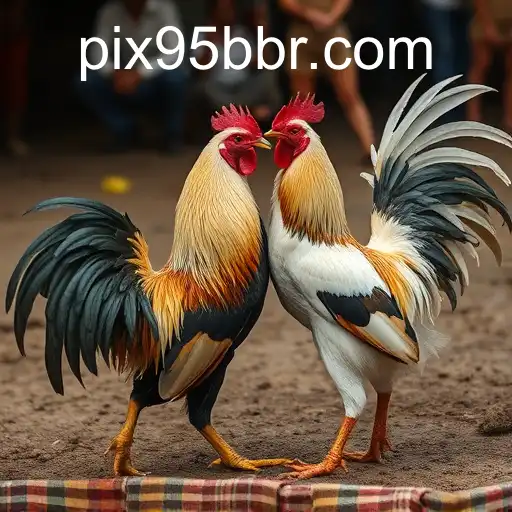

Rinha de Galos: Understanding the Controversial Practice
The Historical Background of Rinha de Galos
Rinha de Galos, also known as cockfighting, is a practice with deep historical roots. It involves two cocks fighting against each other, often in a ring or a pit. This activity is believed to have originated thousands of years ago and has been part of many cultures worldwide. Its origins can be traced to Southeast Asia, from where it spread to various parts of the globe, including Europe, the Americas, and other regions.67F.COM
Historically, cockfighting was not only a pastime but also a ceremonial activity, often linked with religious or cultural significance. In some cultures, it symbolized strength, bravery, and endurance. As the world evolved, so did the perception and legality of Rinha de Galos, making it a subject of considerable debate and controversy.
Rinha de Galos in Modern Culture
Despite its ancient origins, Rinha de Galos remains prevalent in certain modern societies. In various countries, it is viewed as a tradition passed down through generations. For some communities, it is an important cultural event, providing opportunities for social gatherings and local festivities.
In several parts of Latin America and Asia, Rinha de Galos retains a significant cultural status. It is not uncommon to see the sport celebrated with fanfare, where local communities gather to watch the matches. However, the perception of cockfighting varies widely. While some see it as an integral part of cultural heritage, others criticize it due to ethical and animal welfare concerns.735bet
The Legal and Ethical Debate
Legally, the status of Rinha de Galos is as varied as its cultural implications. In many countries, the sport is banned, considered as a cruel and inhumane treatment of animals. Legislation against cockfighting has been fueled primarily by animal rights activists who argue that the sport encourages violence and suffering.69K.COM
Conversely, in countries where cockfighting is legal, it is often regulated to ensure the animals' welfare to some extent. Regulations may include health checks for the cocks, prohibitions against using performance-enhancing drugs, and controlled environments to minimize suffering. Even so, these measures are often inadequate according to animal rights groups who continue to campaign for more stringent controls.
Rinha de Galos and Animal Welfare Concerns
One of the central issues in the debate over Rinha de Galos is animal welfare. The fights are typically brutal, with cocks often suffering severe injuries or death. The natural aggression of roosters is heightened through breeding practices, training, and sometimes physical alterations like attaching spurs or blades to their legs for fighting.95R
An aspect that critics focus on is the purposeful breeding of aggressive traits in the animals, which they argue leads to unnecessary suffering. The forced participation of animals in such fights raises ethical questions about humanity's responsibility towards other living beings. As a result, animal rights organizations have been vocal against this practice, calling for a complete ban where it is still legal.
The Socio-Economic Impact of Cockfighting
A significant factor in the persistence of Rinha de Galos is its economic aspect. In regions where it is allowed, the sport can be a source of income for breeders, trainers, and gambling circles that arise around the events. Betting on cockfights is a major draw for many participants and spectators.
However, this economic benefit is weighed against the moral and ethical costs. The gambling associated with cockfighting has led to various societal issues, including illegal betting, corruption, and violence. This has further fuelled the debate on whether the socio-economic benefits justify the ethical compromises.
Public Perceptions and Future Outlook
Public opinion on Rinha de Galos is polarized. While advocates champion the sport as a treasured tradition or entertainment, opponents decry it for promoting cruelty. Educational campaigns have increasingly influenced public perception, highlighting animal welfare and ethical considerations.777w
The future of Rinha de Galos largely depends on legislative actions and shifting cultural attitudes. Countries that seek to uphold animal welfare standards are moving towards stricter regulations or outright bans. At the same time, proponents of the sport are advocating for its cultural significance and potential for regulation rather than prohibition.
Rinha de Galos: A Complex Intersection of Culture, Ethics, and Legislation
Rinha de Galos is more than a contentious sport; it is a phenomenon that encapsulates a spectrum of issues from cultural heritage and rural economic impacts to modern ethical standards and animal rights. As global perspectives continue to evolve, so too will the conversations surrounding this deeply rooted yet highly controversial tradition.